Burt Lake burn-out
October 15, 1900
Indian Point, Burt Lake, Cheboygan County, MI
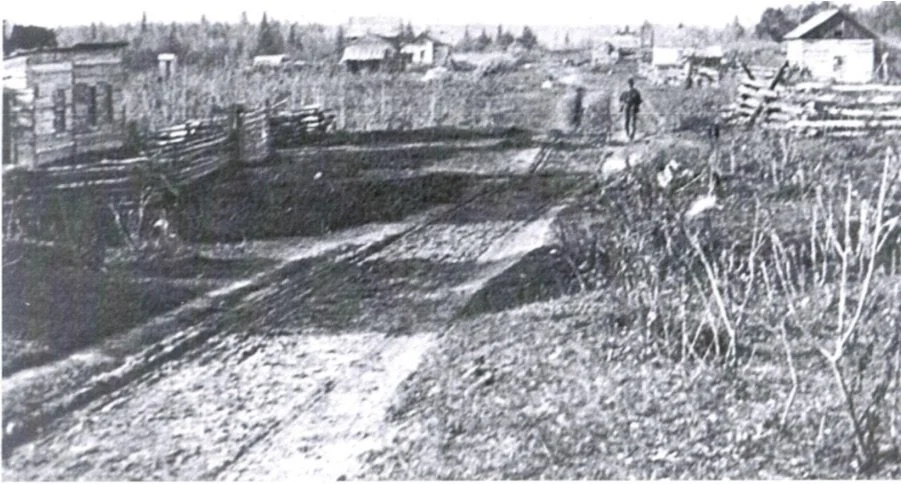
Burt Lake Indian Village, 1890
The Straits of Mackinac have been a center of Indigenous life for thousands of years. Even as Michigan settlers have encroached and the U.S. has coerced tribes into treaties it then broke, sovereign regional tribes persist to this day.
But in the 1890s, a white banker decides he must develop the shores of Lake Cheboiganing, now Burt Lake, 20 miles south of the Straits. A band of Odawa and Ojibwe occupies a village of log cabins here, on land they bought with treaty money and placed in the governor’s trust. Anyway, the county imposes taxes on the village. The tribe does not pay, and the banker buys the tax titles.
On October 15, 1900, the banker, the county sheriff and deputies, converge on the village, pull belongings from homes, and set each cabin but the church ablaze, as Native families watch.
The villagers relocate. The banker sells the land in parcels and uses the church as a pig barn. Today, the same shore, renamed Colonial Point, is mostly private cottages. The Cheboiganing Band, now the Burt Lake Band, continues to seek federal recognition.