The 1788 Doctor's Riot
april 13, 1788
New York CITY, NEW YORK
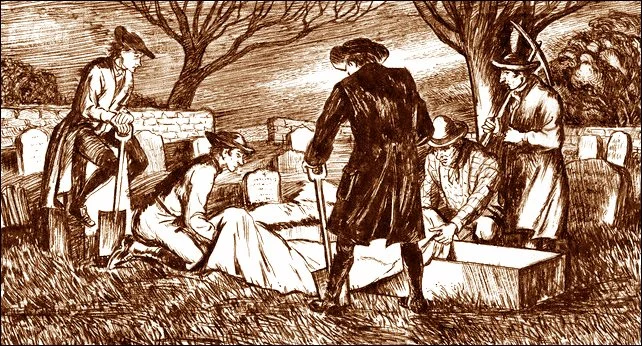
Stealing bodies from graves is the only way for medical researchers to procure specimens for study in 18th century New York.
Late 1700s taboos made it difficult for medical students and doctors to procure cadavers for dissection and study, so researchers would exhume bodies from the graveyards of the poor and enslaved.
On this day in 1788, in New York City, a mob of thousands gathers around New York Hospital, incensed by news of dissections being performed on cadavers inside. Rocks and trash are thrown, and the mob breaks into the building. Some students are rushed to a jail for protection and the mob attacks the jail. Physicians across the city go into hiding. As many as 12 people die in a riot that continues for days, and protesters destroy all of the cadavers they find. The governor sends a militia to patrol the streets.
The Anatomy Act of 1789 makes exhumation illegal while allowing for the dissection of executed criminals for study.
Colfax massacre
april 13, 1873
Colfax, LOUISIANA
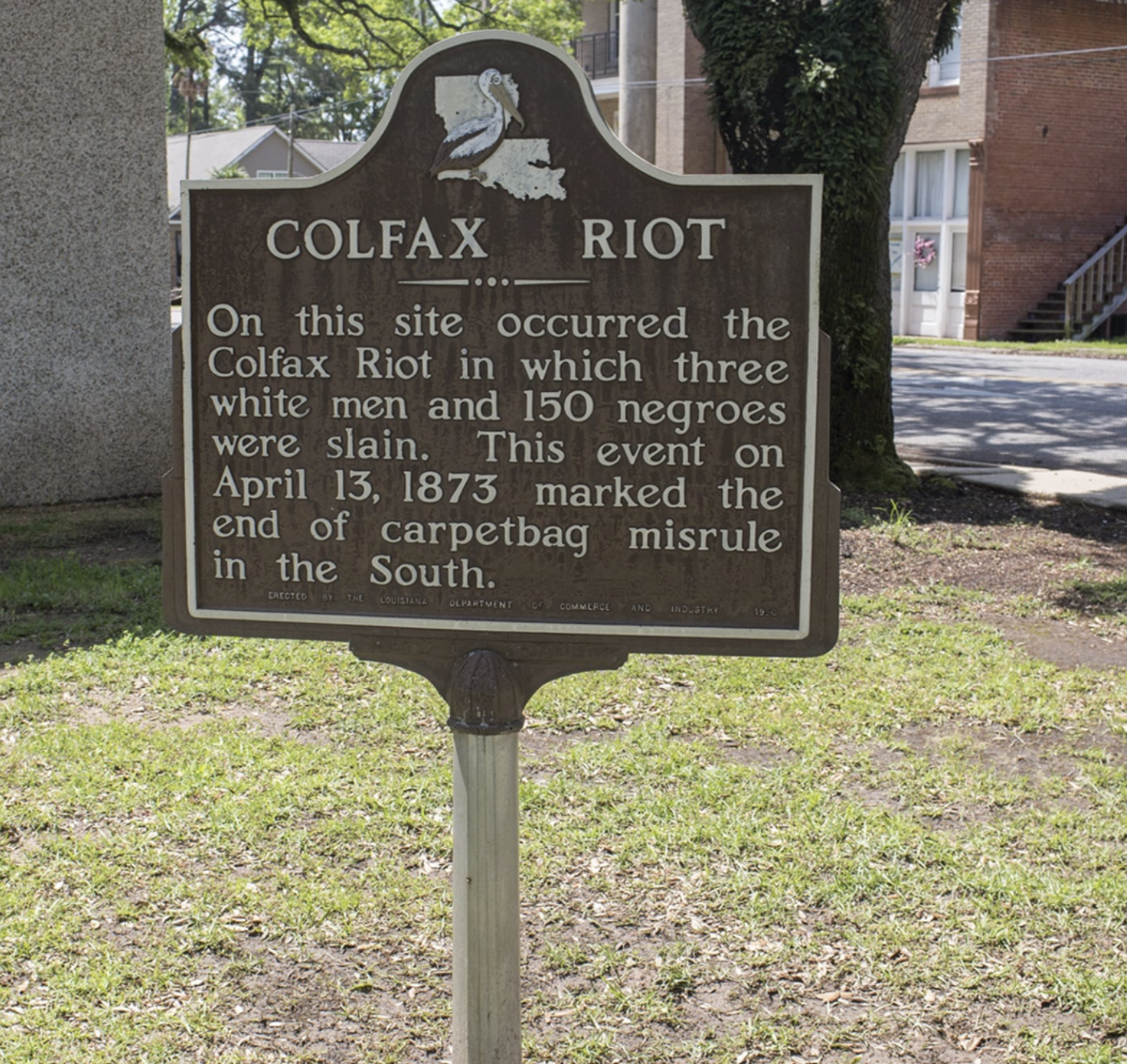
Historic marker outside the courthouse, crediting the massacre with ending Reconstruction efforts in the South.
In the 1872 Louisiana election, Black voters — narrowly outnumbering white voters — help elect a Republican governor and representatives who support African American rights. In dispute, Democrats swear-in their own leaders, resulting in political chaos. White mobs rampage the state, killing innocent Black people.
On this day in 1873 — Easter Sunday — at least 150 Black men are murdered while surrendering to a mob of white men at the courthouse in Colfax. Their bodies are dumped in the Red River and in mass graves.
Three white men are later found guilty of conspiracy. Three years later, the Supreme Court overturns their convictions in a ruling that guts federal power to protect Black citizens from racial violence.
Black men will find their voting rights eroded by lawful race-based restrictions until the passing of the Civil Rights Act of 1965.