4th of JUly
Dead Rabbits Riot
JuLY 4, 1857
New York, New York
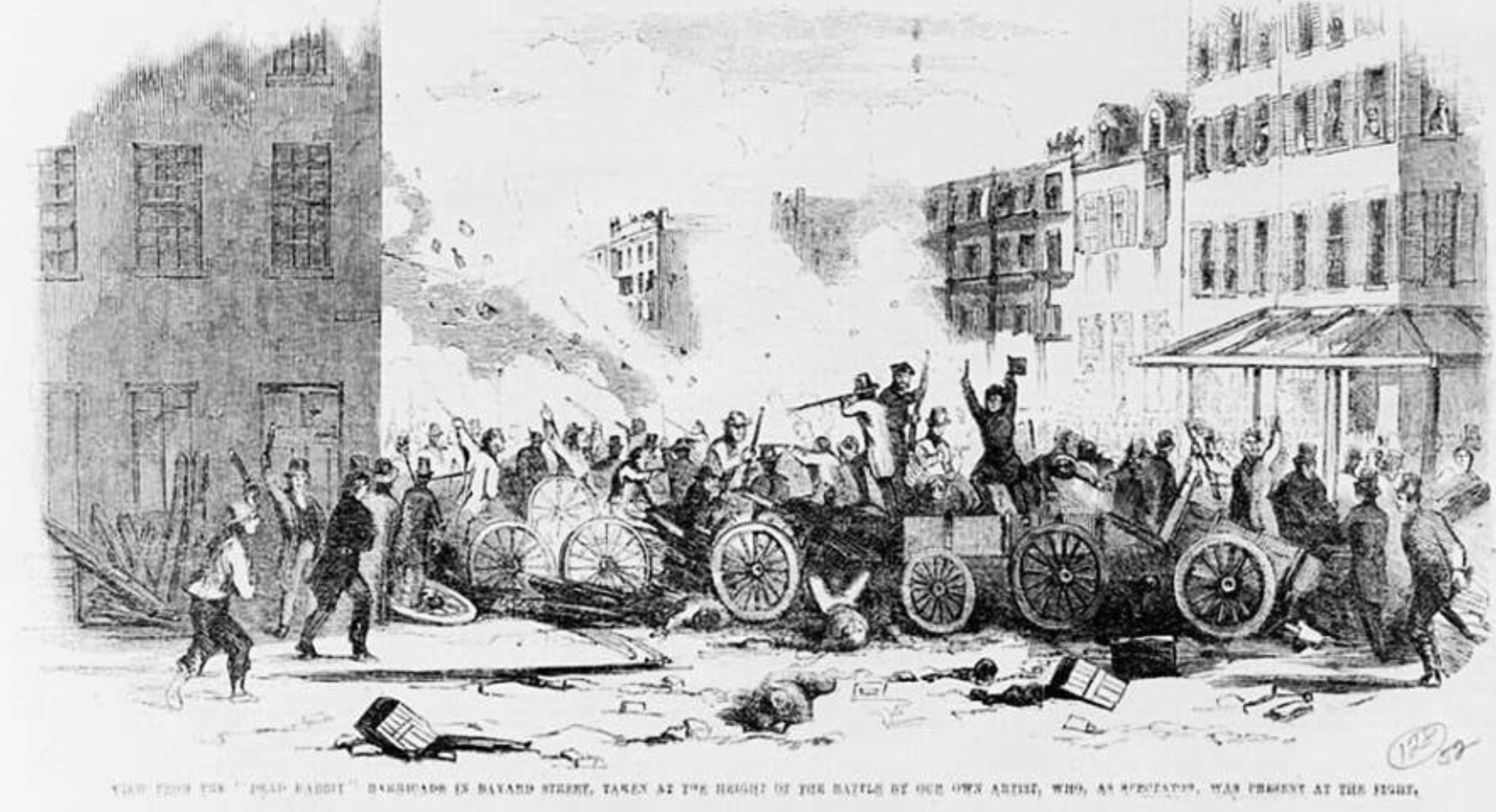
Depiction of the Great Gang Fight of 1857, during which dozens were injured and at least eight men were killed.
It's a sweltering summer in New York City in 1857, and the people of Five Points in Lower Manhattan — one of the most overcrowded slums in America — are out in the streets. On this day the scene gets violent as gang members of the Dead Rabbits — mostly Irish immigrants — and the Bowery Boys — anti-Catholic nativists and mostly volunteer firemen — battle each other.
The brawl begins over turf and escalates because no one is policing it: New York has two rival police forces, Municipal and Metropolitan, locked in their own power struggle. Each blames the other and does nothing.
For two days, gangs barricade streets, loot shops, and fight with bricks, clubs, and revolvers. By the time the state militia restores order with bayonets and clubs, eight people are dead and over a hundred wounded.
Johnson–Jeffries riots
JuLY 4, 1910
Nationwide
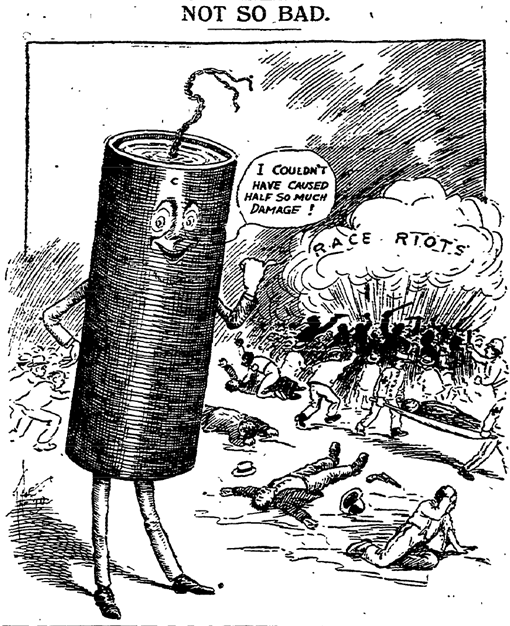
Political cartoon depicting the aftermath of Jack Johnson's 1910 victory over Jim Jeffries, which triggered race riots across the United States.
On this day in 1910, Jack Johnson, the first black heavyweight boxing champion in history, confronts James Jeffries, the undefeated "Great White Hope" — lured from retirement specifically to beat Johnson — in a widely publicized fight in a packed outdoor stadium in Reno, Nevada.
It's the Fourth of July, and the desert sun is searing on the open-air ring. Jeffries goes down for the first time in his career, then again, then a third time. His corner throws in the towel to avoid a knockout after 15 rounds.
Word spreads by telegraph and black communities celebrate openly in the streets for the first time in living memory. White mobs respond within hours, attacking black residents in dozens of cities from coast to coast. By week's end, more than 20 people are dead and hundreds injured.
Bandit War
JuLY 4, 1915
Texas–Mexico border (primarily the Rio Grande Valley)
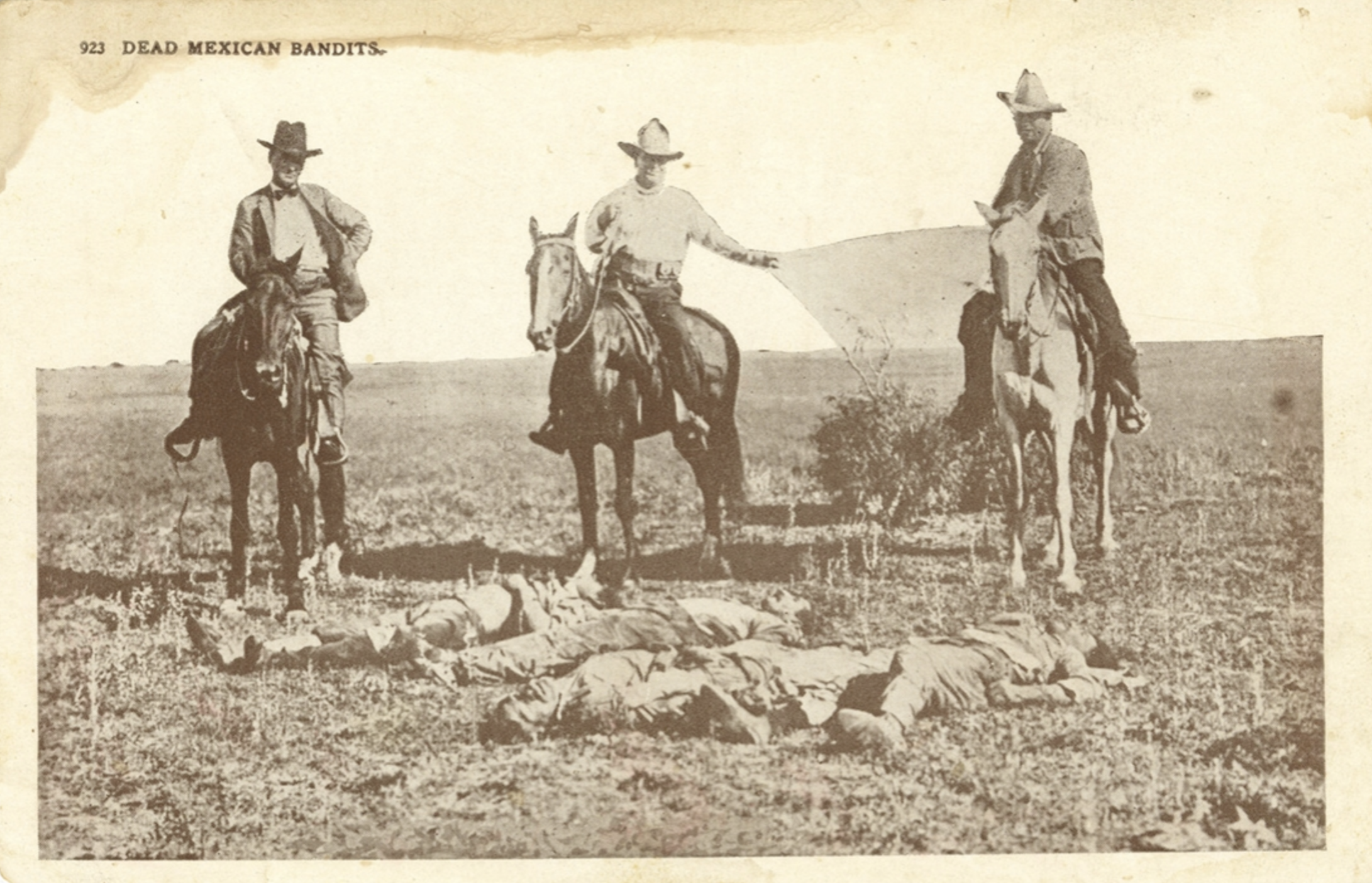
The 1915 postcard “Dead Mexican Bandits” depicts three Texas Rangers posing behind four slain Tejanos. Courtesy of the Bullock Texas State History Museum.
On this day in 1915, around 40 armed raiders cross the Rio Grande and strike Los Indios Ranch in Cameron County, Texas — land long home to the Carrizo/Comecrudo people, but now in dispute between Anglo-Americans and Mexico. This is the first of years of raids in what becomes known as the Bandit War.
The raiders are acting on the Plan de San Diego, a manifesto calling for an uprising to reclaim the Southwest for Mexico. Only a handful of raids materialize. Two dozen Americans are killed over the next year. The response is disproportionate: Texas Rangers and vigilantes sweep the valley, executing Mexican Americans on suspicion alone — including ranchers Jesús Bazán and Antonio Longoria, shot in the back after reporting a robbery. Estimates of the dead range from 300 to 5,000.
North Omaha Summer Riots
JuLY 4, 1966
Omaha, NEbraska
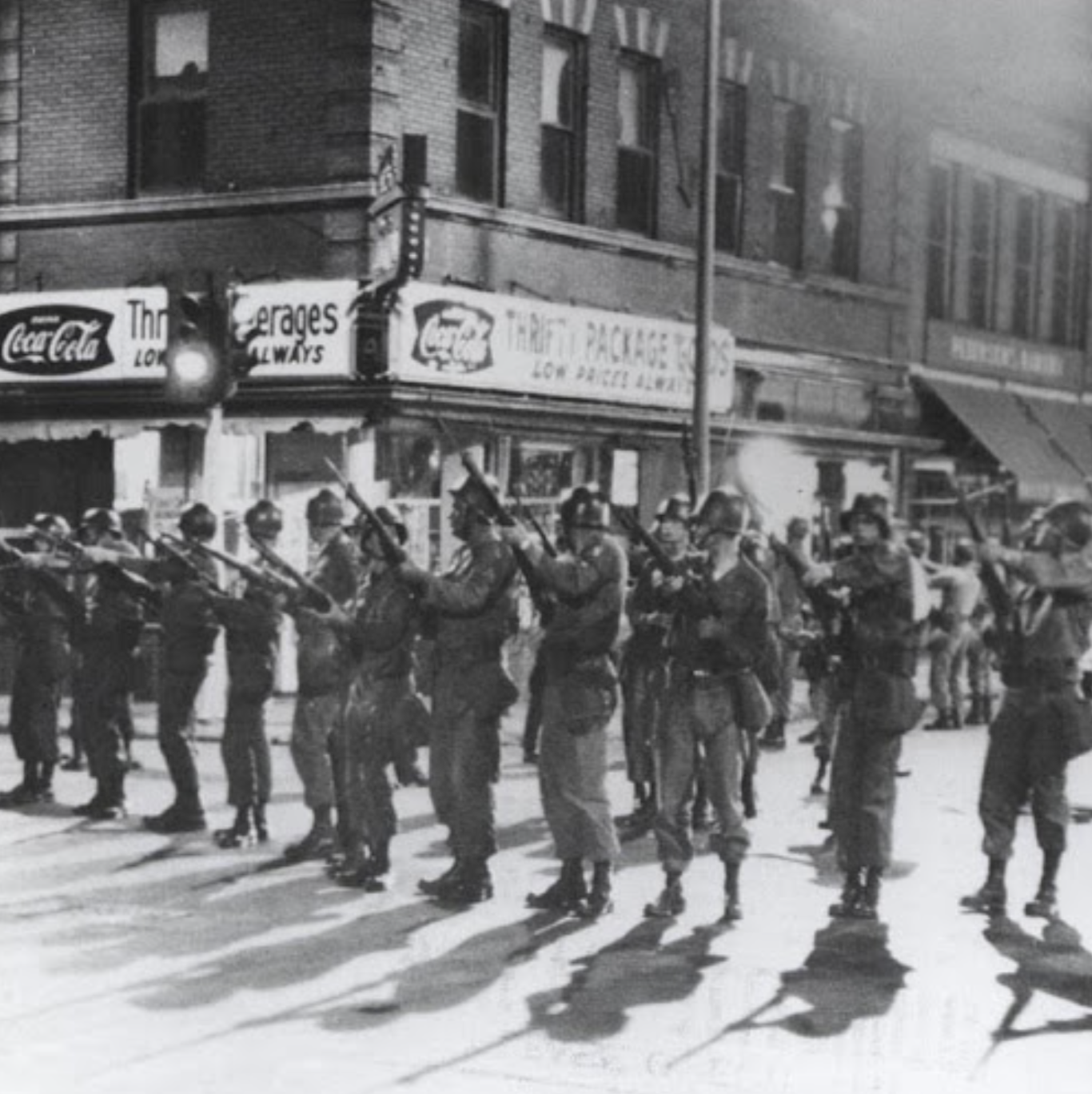
Nebraska National Guardsmen at the intersection of North 24th and Lake Streets in 1966.
On this day in 1966, a crowd of black youth gathers at North 24th and Lake Streets in Omaha, Nebraska — the heart of the Near North Side, on land long home to the Omaha and Ponca people — as a brutal heat wave pushes the holiday weekend past 103 degrees.
They've been hanging out for hours when Omaha police roll in the evening, with batons raised and issuing threats of arrest. The crowd doesn't disperse. Stones fly, then fire bottles, and North 24th Street — the commercial spine of the city's black community — burns through the night.
The Nebraska National Guard is called in to restore order. Officials blame "outside agitators"; residents point to unemployment, no recreation funding, and years of police harassment. It's the first of four major riots to hit Omaha over the next three years.
Asbury Park race riots
JuLY 4, 1970
Asbury Park, New jersey
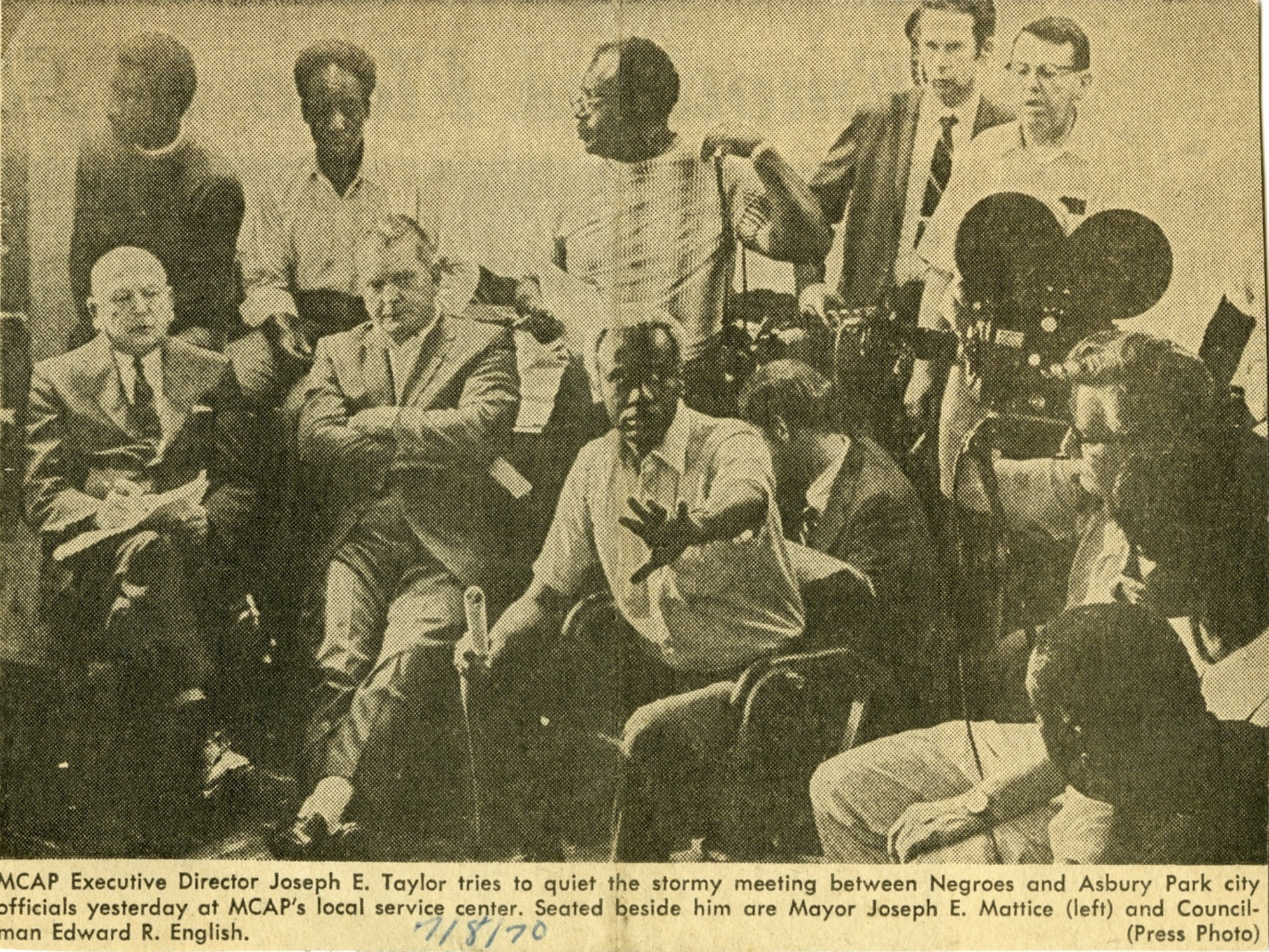
Joseph E. Taylor mediating a meeting between Black civilians and Asbury Park City officials.
On this day in 1970, in Asbury Park, New Jersey — a resort town on land long home to the Lenape — the summer crowds have swollen the town from 17,000 residents to 80,000 vacationers, but the resort jobs go almost entirely to white youth; Black unemployment runs near 20 percent.
A late-night dance turns into bottle-throwing on Springwood Avenue, and two responding officers only inflame the crowd.
Over the next several nights, fires and looting spread through the West Side's Black-owned and white-owned businesses alike. By July 7, state troopers fire what they call warning shots into a crowd near the railroad tracks, wounding 44 civilians, 14 of them minors. No one dies but displaced families won't see the neighborhood rebuilt for years.